
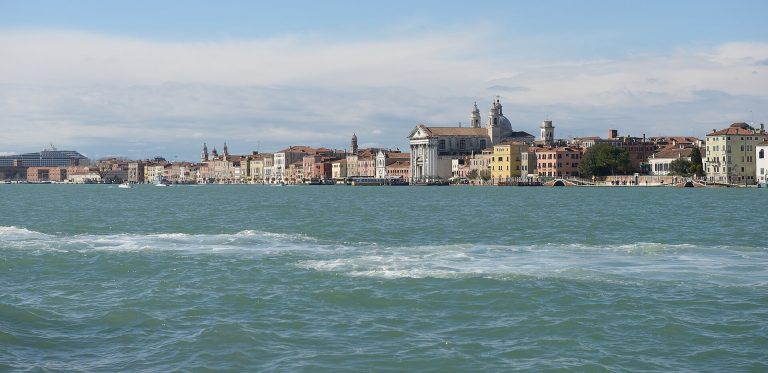
Over seven decades Berengo Gardin (1930-2025) documented Venice, Italian factories and psychiatric hospitals in Morire di classe (1969), before campaigning against giant cruise ships in the Giudecca canal.
The mountain Michelangelo mined: Carrara marble, quarried since Rome
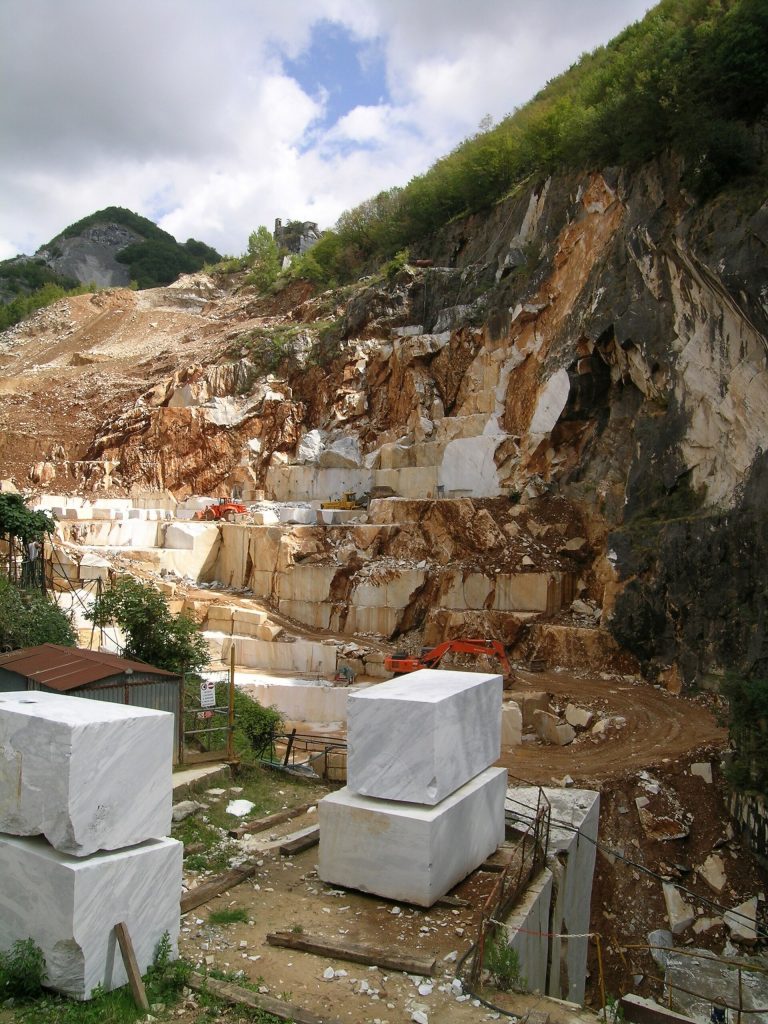
Carrara’s quarries have supplied marble since Roman Luni and Michelangelo’s own quarrying trips; today diamond wire has replaced dynamite, but marble dust and mountain damage still divide the town that lives off the stone.
Gio Ponti and the tower too thin to be a slab
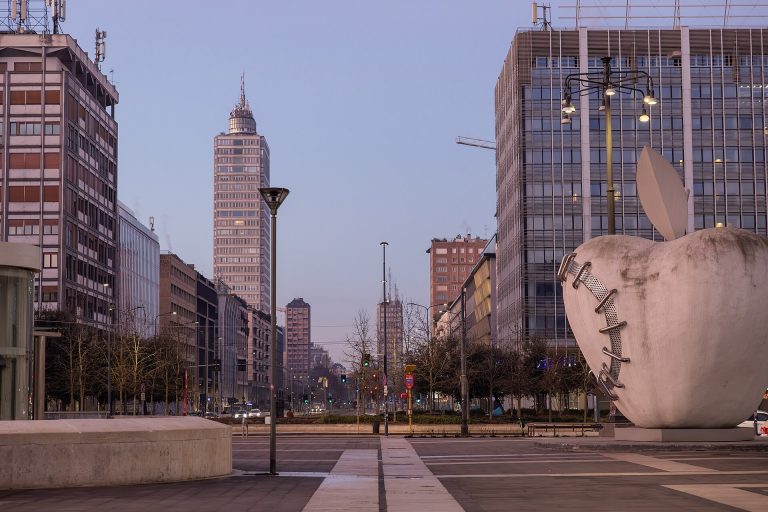
Gio Ponti edited Domus for four decades and, with the engineer Pier Luigi Nervi, gave Milan a tapered 127-metre tower for Pirelli in 1960 that survived a 2002 aircraft strike and remains the city’s most recognisable skyscraper.
How a Paris newspaper page launched Italian Futurism
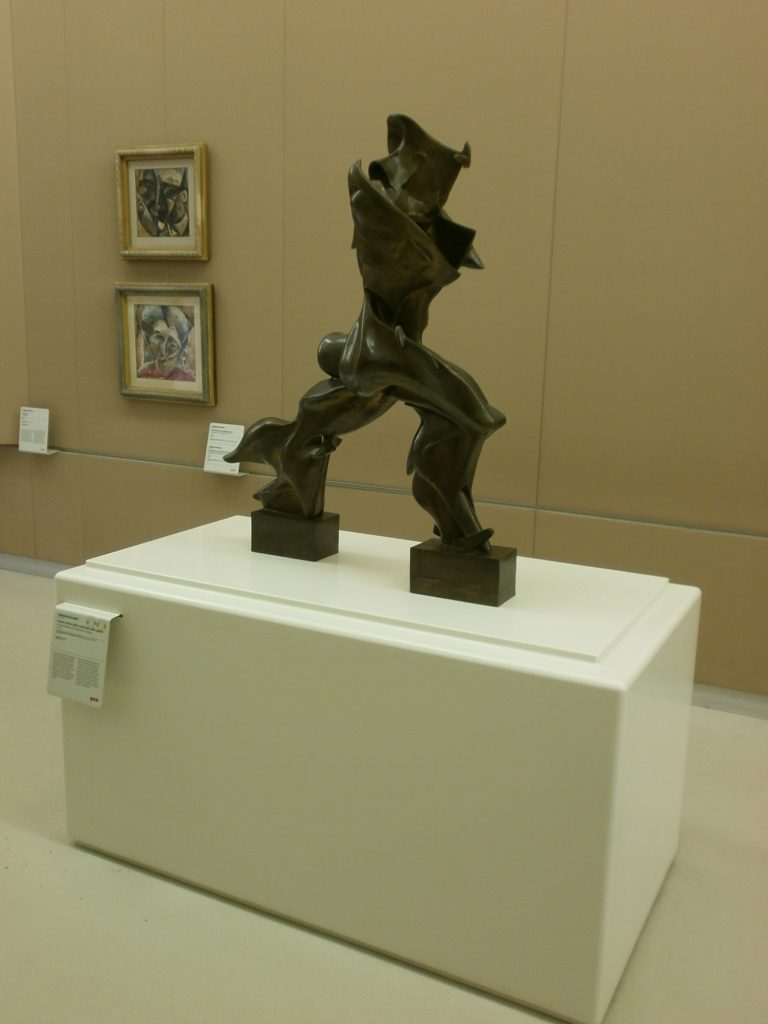
Marinetti’s 1909 manifesto on the front page of Le Figaro had no art to back it up. Boccioni’s 1913 bronze, later cast on a euro coin, gave the movement its defining image.
Fifty years on, Milan’s Grande Brera is finally complete
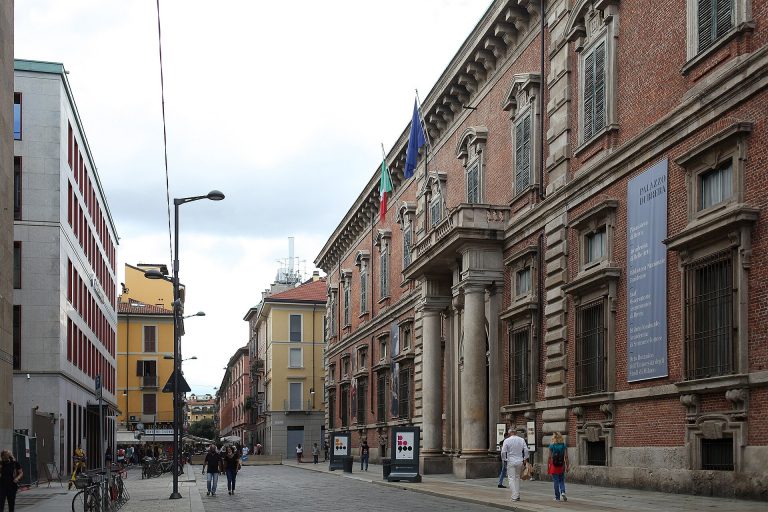
Palazzo Citterio opened in December 2024, joining the Pinacoteca di Brera’s Napoleonic old-master collection to modern works once meant for a James Stirling design abandoned in the 1990s.
Inside the blue room Giotto painted for a moneylender’s son
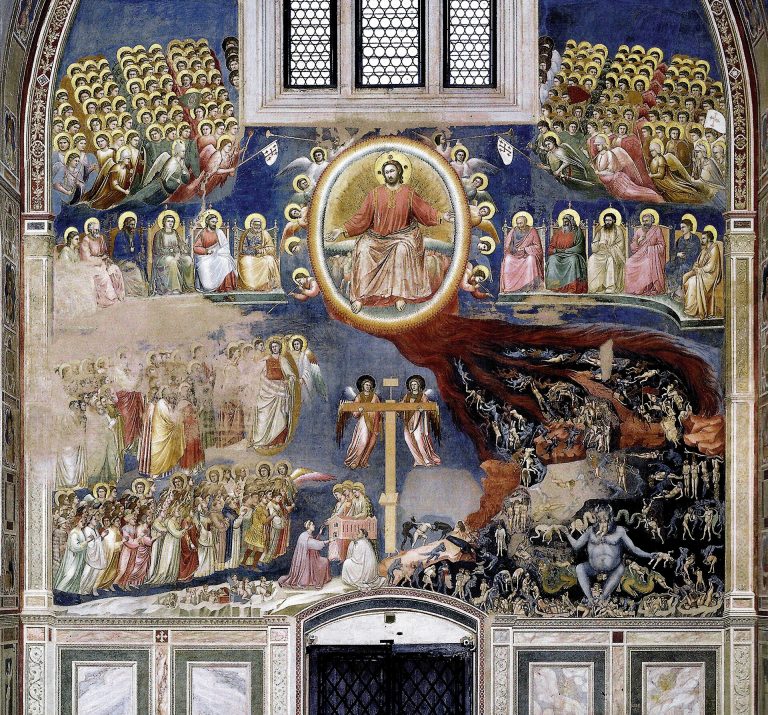
Giotto’s 1303–1305 fresco cycle for Enrico Scrovegni broke with Byzantine convention and used ultramarine more lavishly than any chapel before it. It now forms part of a UNESCO site inscribed in 2021.
The Florence brothers who photographed a nation into being
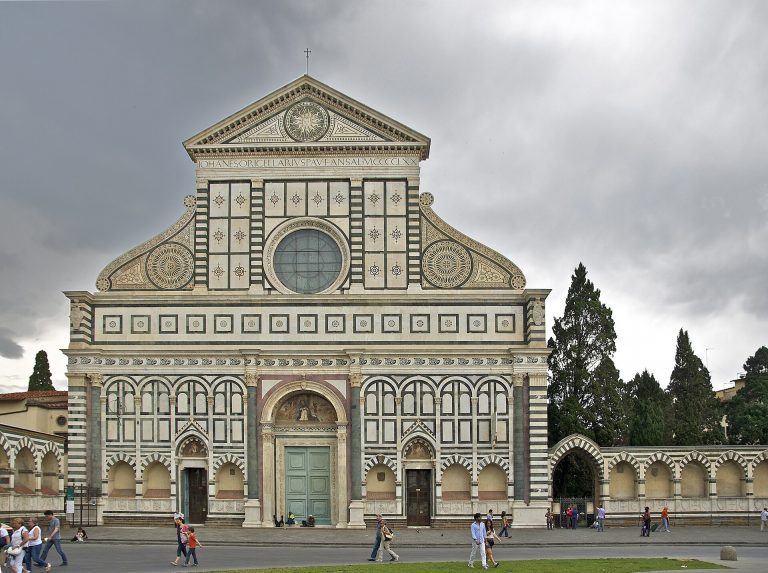
Founded in 1852, Fratelli Alinari built a 5.5-million-image archive of Italian art and architecture that shaped art history teaching abroad, and passed into public ownership under Regione Toscana in 2019-2020.
The town that put a watermark on paper for the first time
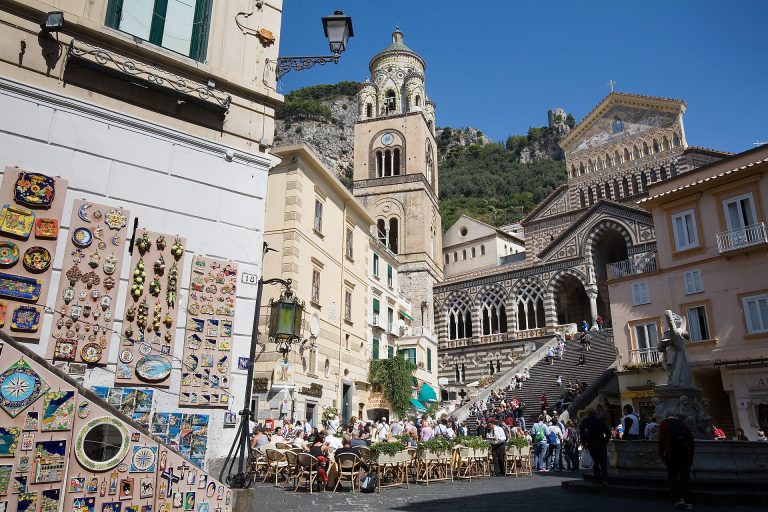
Fabriano brought European paper its stamping hammer, gelatine sizing and first dated watermark in 1282, later supplying banknote and artists’ paper; Amalfi’s own rag-paper mills survive in a converted fourteenth-century mill and at least one working workshop.
How Brunelleschi raised Florence’s dome without a scaffold
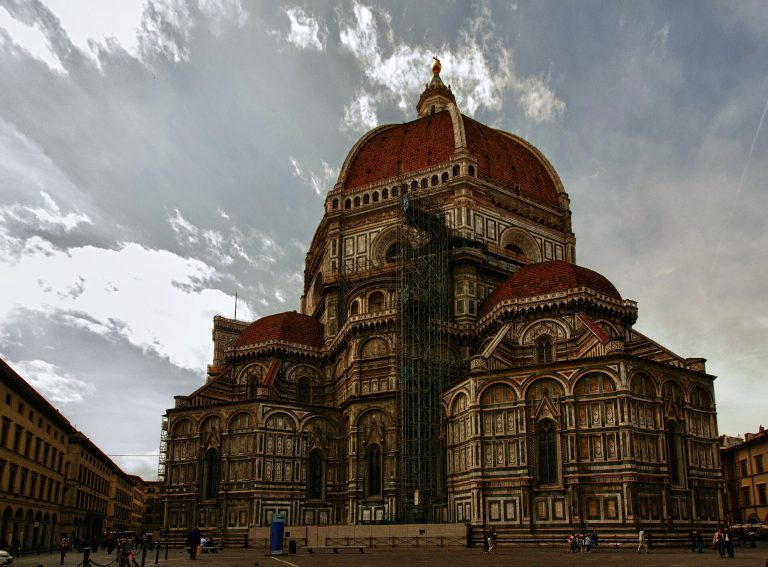
For 50 years the crossing of Florence Cathedral stood open to the sky until Filippo Brunelleschi’s herringbone brickwork and sandstone chains let the dome build itself, course by course, from 1420 to 1436.