
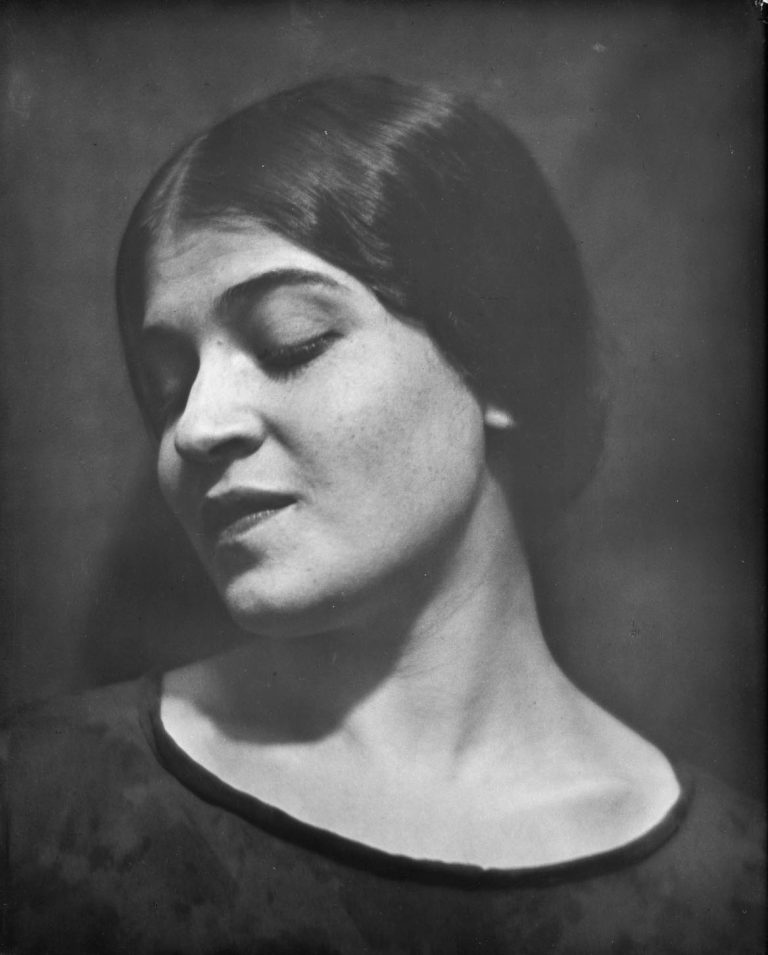
Born in Udine in 1896, Modotti emigrated to San Francisco in 1913 and became Mexico’s photographer of workers’ hands and Communist Party imagery before her 1930 expulsion and 1942 death in Mexico City.
Artevivo Magazine
Artevivo Magazine covers Italian art, design and cultural heritage from Milan.
How a 1291 fire law turned Murano into Europe’s glass capital
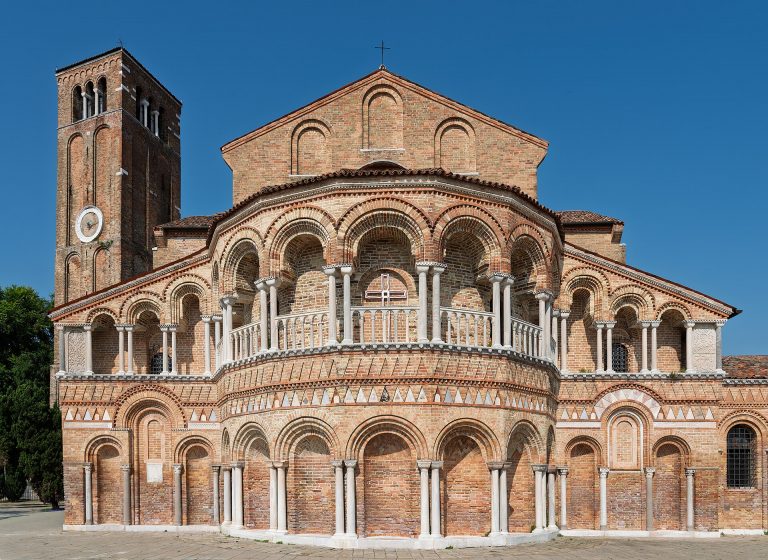
In 1291 Venice moved every glass furnace to Murano for fear of fire, creating a monopoly that produced cristallo, employed Carlo Scarpa at Venini, and survived a punishing 2022 energy crisis with dozens of workshops still firing today.
Renzo Piano gave Genoa a bridge and asked for nothing
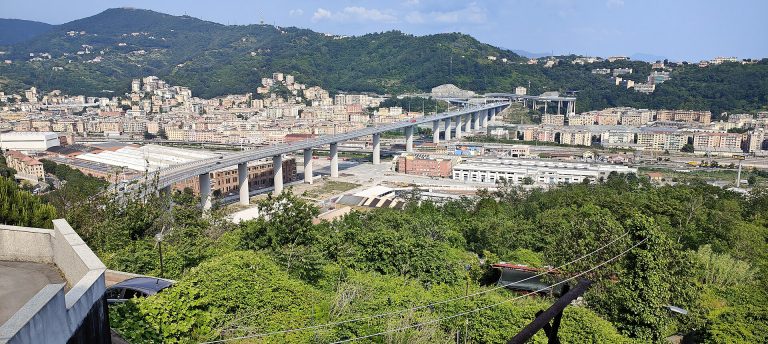
After the Morandi bridge collapse killed 43 people in his home city in 2018, Renzo Piano donated the design for its replacement, the Genova San Giorgio bridge, opened in August 2020 with 43 lamps marking the dead.
How a Venetian garden filled with 131 years of national pavilions
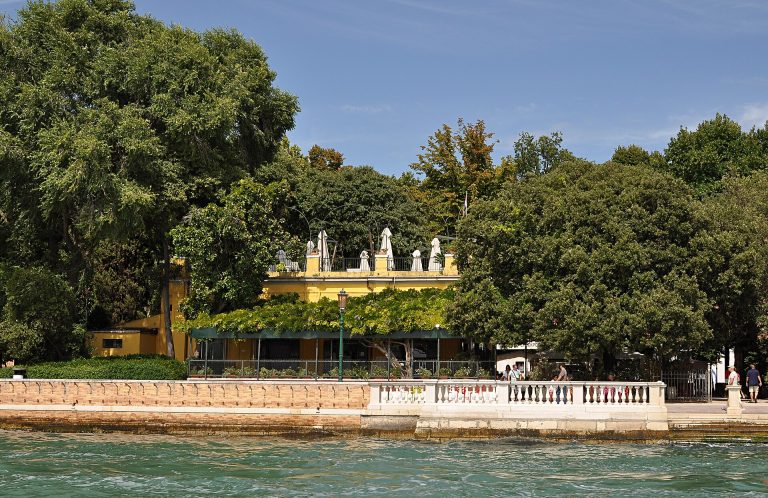
The Biennale opened in 1895 with a nude-painting scandal and 224,000 visitors. Since then it has survived 1968’s riot police, added the Arsenale in 1980, and now proceeds into 2026 without the curator who conceived it.
How Cosimo I’s magistrates’ offices became the Uffizi Gallery
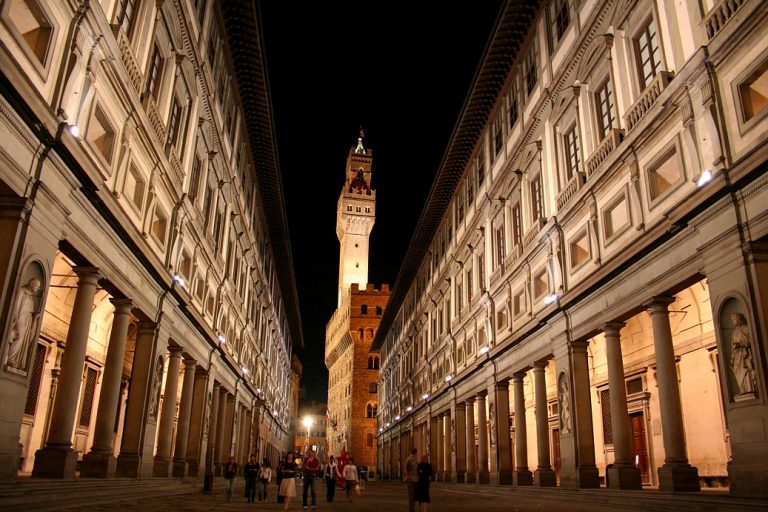
From Vasari’s 1560 office block for Florentine magistrates to a 5.3-million-visitor museum, via a 1737 pact that kept the Medici collection in the city and a 1993 Mafia bombing.
The altarpiece too big for its own gallery ceiling
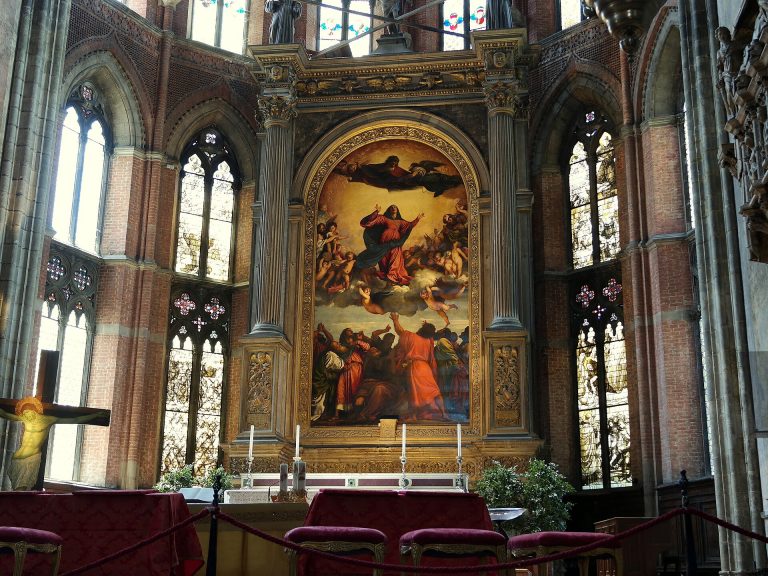
Titian’s Assunta, painted 1516–1518 for the Frari in Venice, is nearly seven metres tall and helped define Venetian colour against Florentine drawing. Exiled to the Accademia from 1817 to 1919, it was conserved again between 2018 and 2022.
Luigi Ghirri and the invention of a new Italian landscape
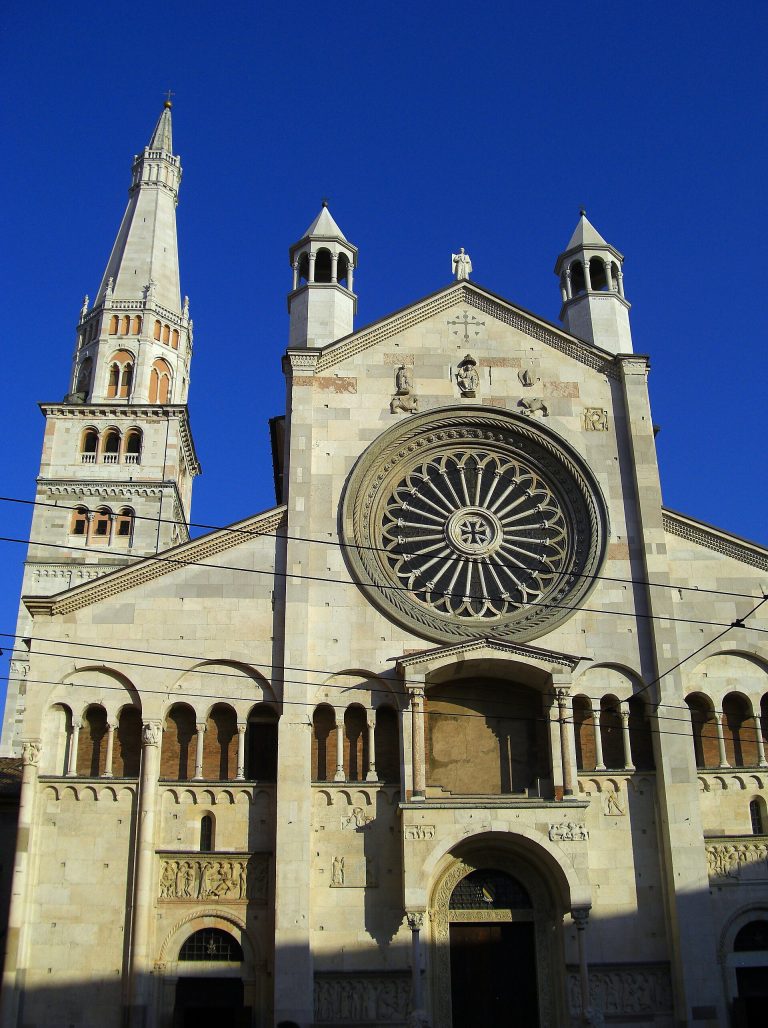
A former surveyor from Modena, Ghirri photographed signs, postcards and reproductions in Kodachrome (1978) before shaping Viaggio in Italia, the 1984 project that redefined Italian landscape photography.
Why the French word for pottery is a Romagna town’s name
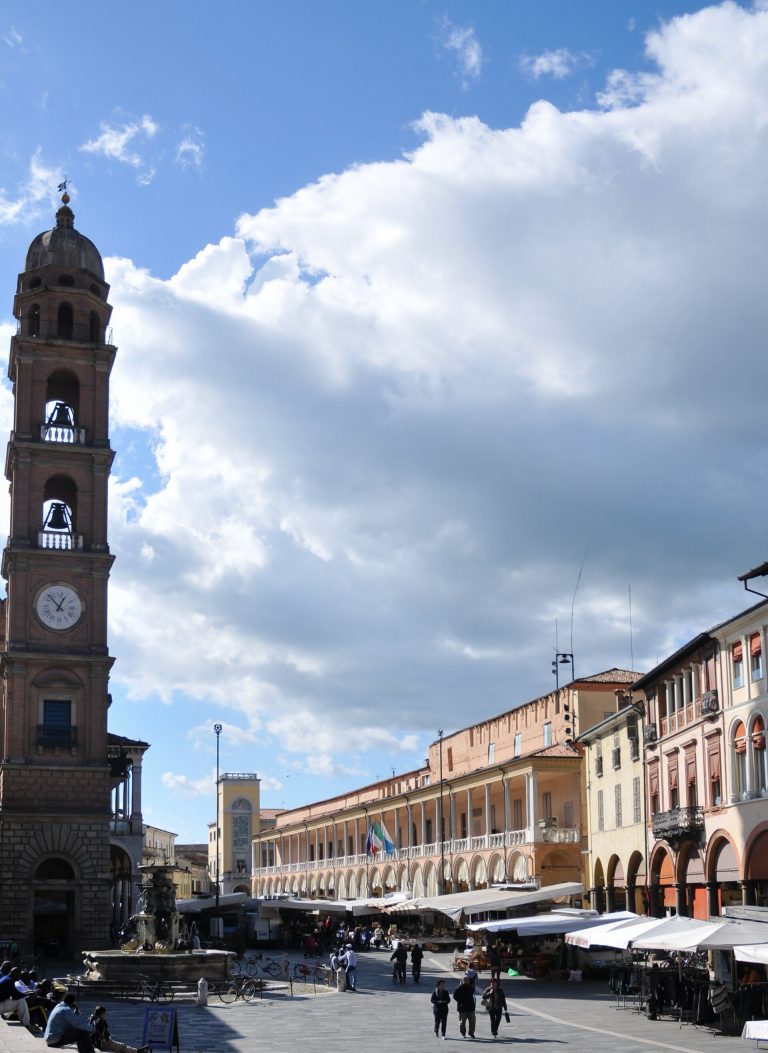
Faenza’s tin-glazed maiolica gave French faience its name; its museum, bombed in 1944 and rebuilt, now sits in a city that joined UNESCO’s Creative Cities network in 2025 for a craft still practised in working kilns today.
The stonemason who renamed himself and reshaped the Veneto
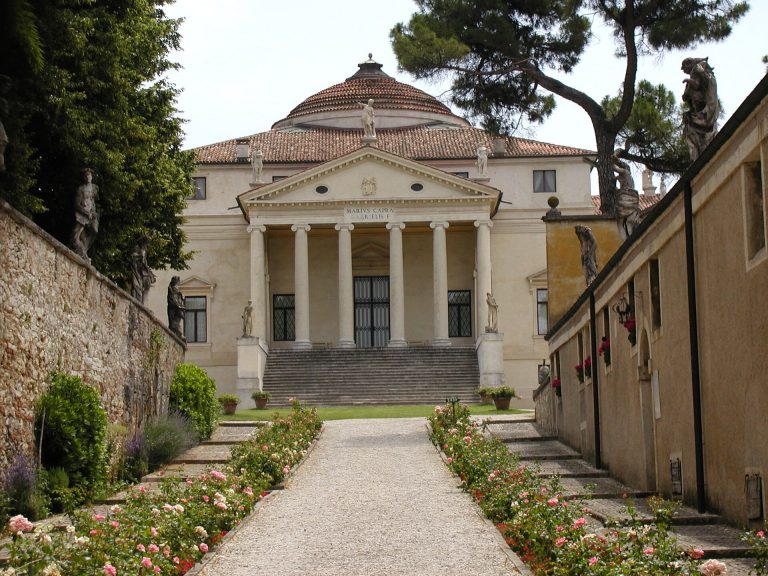
Andrea di Pietro della Gondola became Andrea Palladio under a patron’s tutelage, then built farm villas across the Veneto whose 1570 pattern book reached Inigo Jones and Thomas Jefferson.