
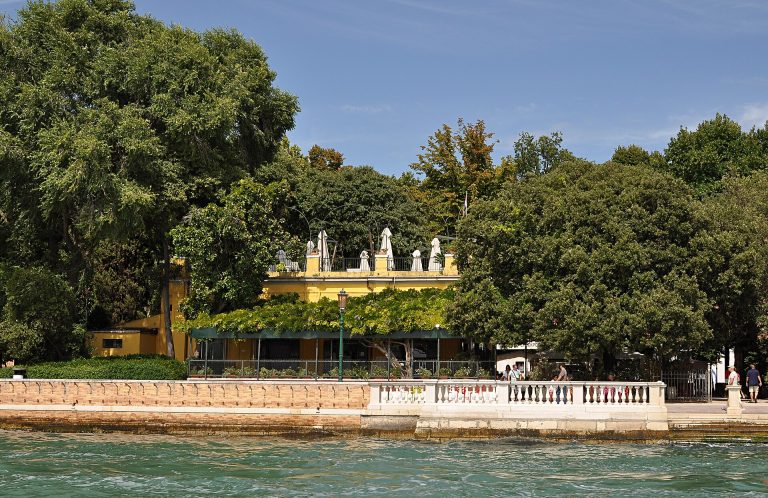
The Biennale opened in 1895 with a nude-painting scandal and 224,000 visitors. Since then it has survived 1968’s riot police, added the Arsenale in 1980, and now proceeds into 2026 without the curator who conceived it.
Modern & Contemporary
Futurism, Arte Povera, the postwar avant-gardes and the artists working in Italy now.
The single cut that took Lucio Fontana twenty years to make
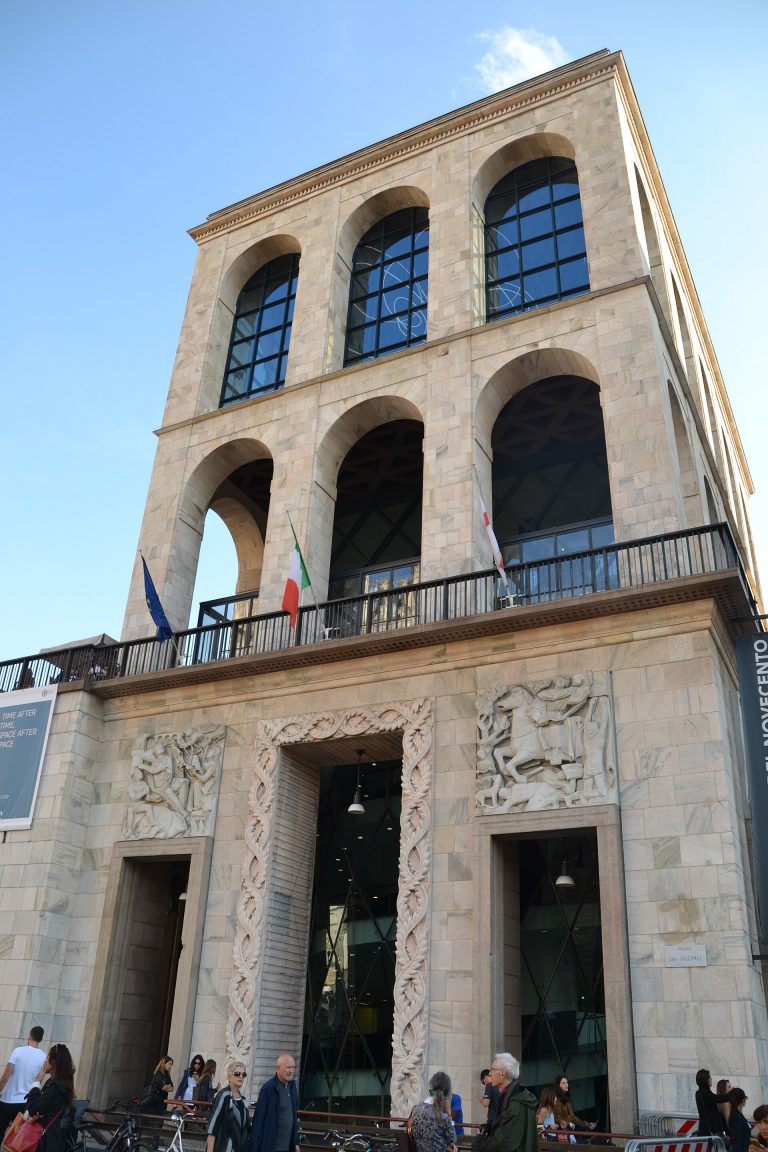
Fontana spent from 1946 to 1958 working from a manifesto toward one gesture: a blade drawn once through a painted canvas. His Milan neon arabesque and auction record show how far the idea travelled.
The bottles Giorgio Morandi refused to let anyone dust
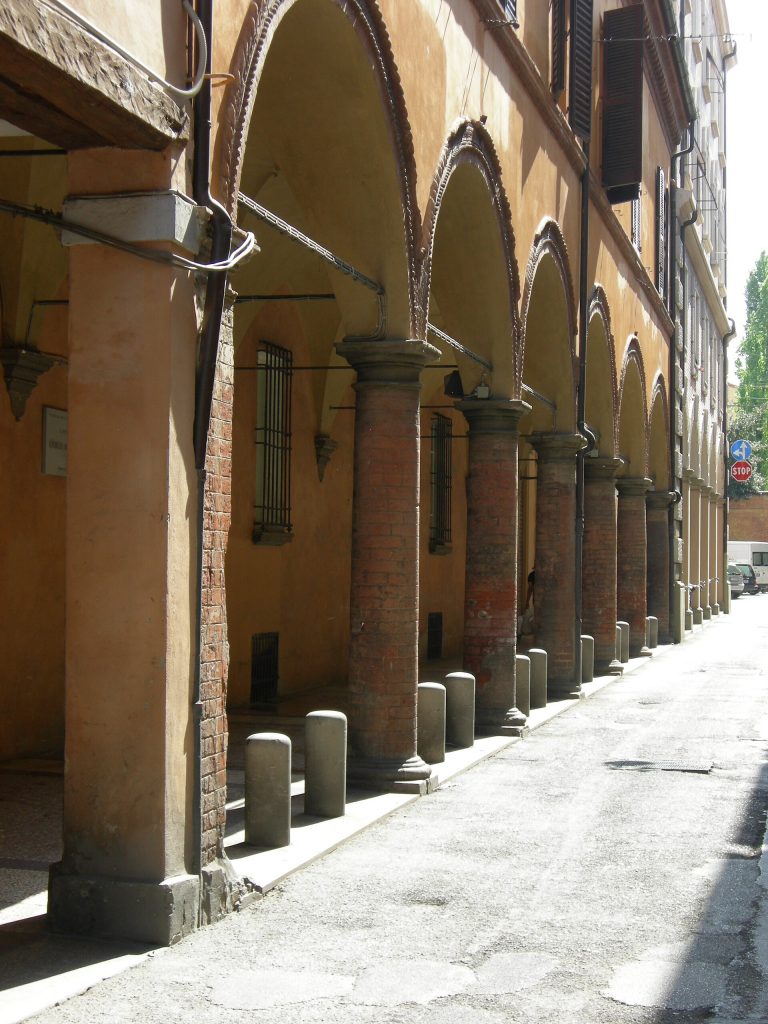
For three decades Morandi painted the same small group of jars and boxes in a Bologna flat, teaching etching by day. His prize at the 1948 Venice Biennale brought the reclusive painter belated recognition.
How a Paris newspaper page launched Italian Futurism
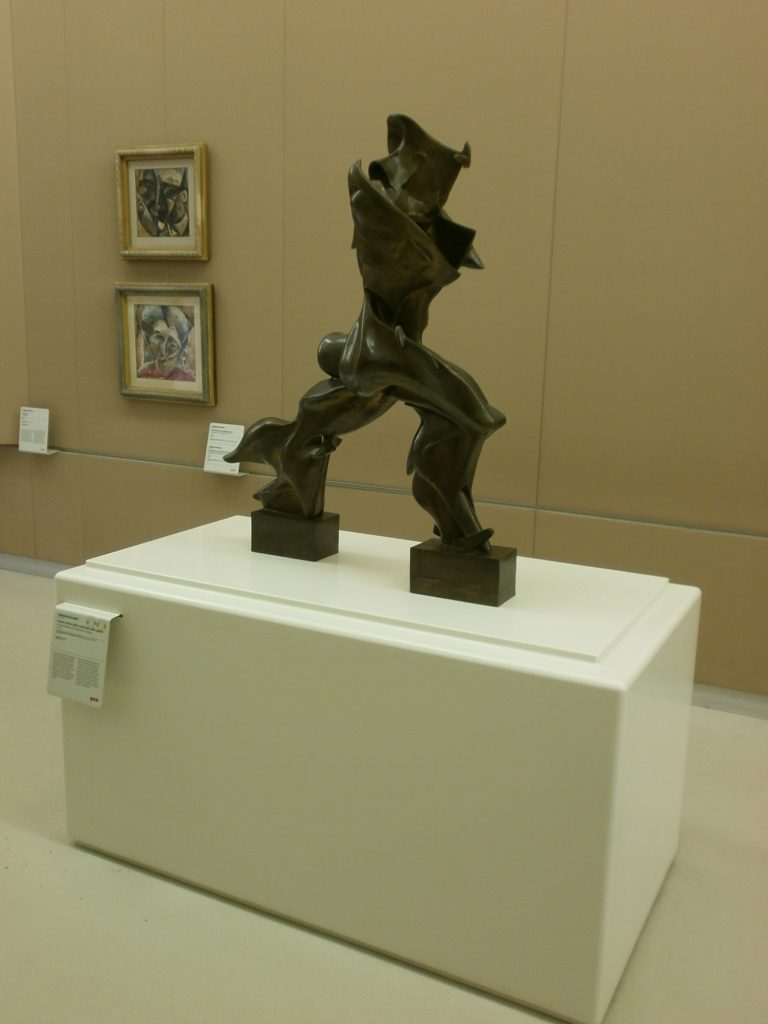
Marinetti’s 1909 manifesto on the front page of Le Figaro had no art to back it up. Boccioni’s 1913 bronze, later cast on a euro coin, gave the movement its defining image.
The Genoa show that gave poor materials a movement
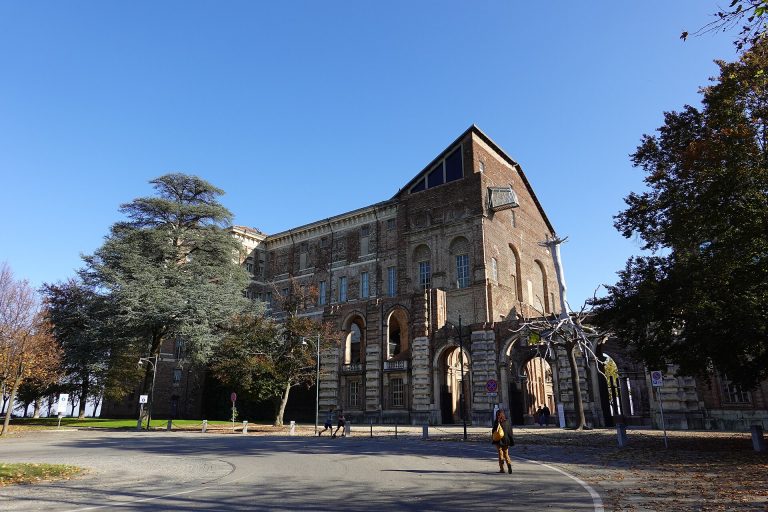
Germano Celant’s 1967 essay named a loose group of Italian artists working with rope, coal and live horses. Pistoletto’s rag Venus, burned in Naples in 2023, shows how the idea still operates today.