
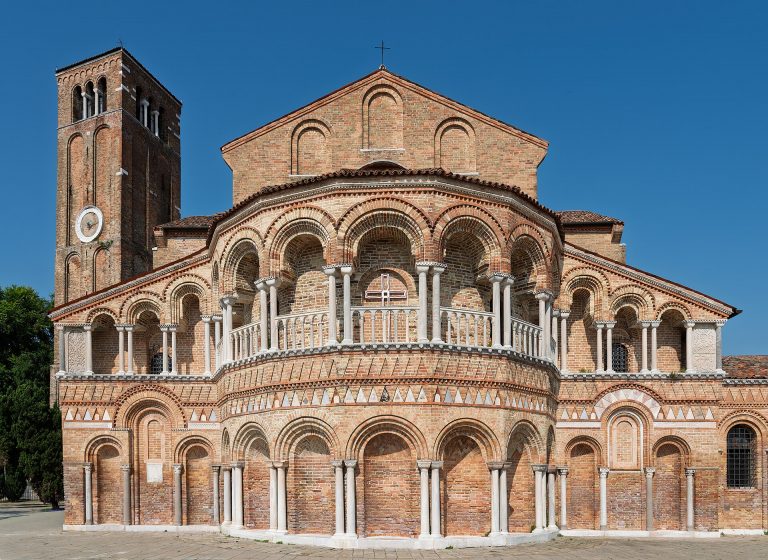
In 1291 Venice moved every glass furnace to Murano for fear of fire, creating a monopoly that produced cristallo, employed Carlo Scarpa at Venini, and survived a punishing 2022 energy crisis with dozens of workshops still firing today.
Craft & Heritage
Glass, ceramics, paper, textiles, stone: the workshops and techniques that survive.
Why the French word for pottery is a Romagna town’s name
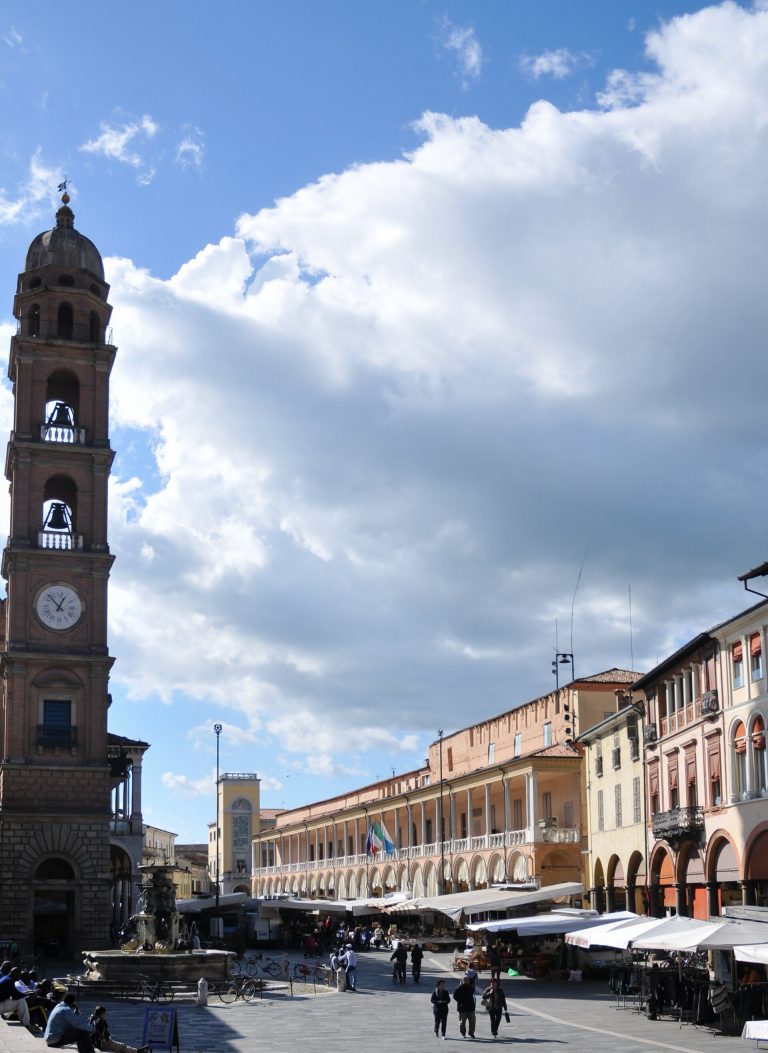
Faenza’s tin-glazed maiolica gave French faience its name; its museum, bombed in 1944 and rebuilt, now sits in a city that joined UNESCO’s Creative Cities network in 2025 for a craft still practised in working kilns today.
Cremona still builds violins the way Stradivari’s teacher did
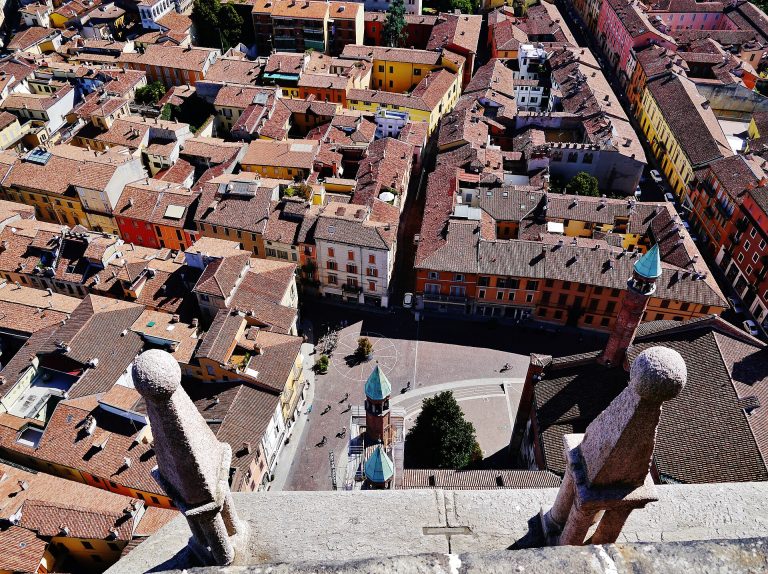
From Andrea Amati’s sixteenth-century workshop to Antonio Stradivari’s 650 surviving instruments, Cremona’s violin trade won UNESCO recognition in 2012 and, in 2019, closed its streets to record priceless instruments for a digital archive.
The mountain Michelangelo mined: Carrara marble, quarried since Rome
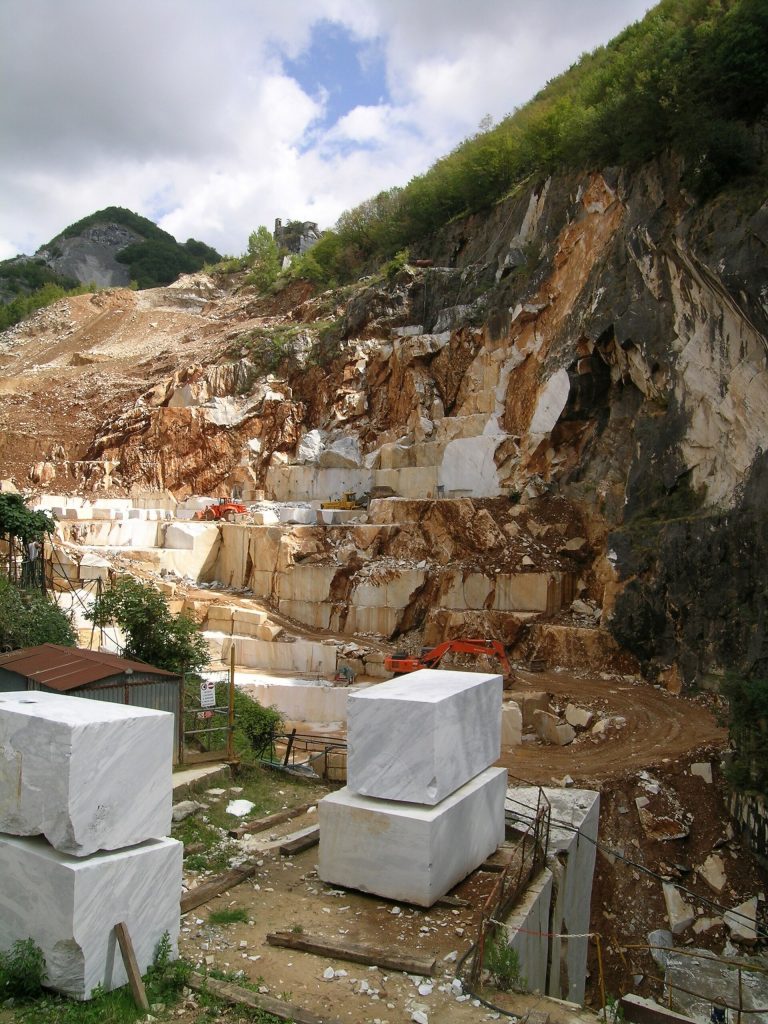
Carrara’s quarries have supplied marble since Roman Luni and Michelangelo’s own quarrying trips; today diamond wire has replaced dynamite, but marble dust and mountain damage still divide the town that lives off the stone.
The town that put a watermark on paper for the first time
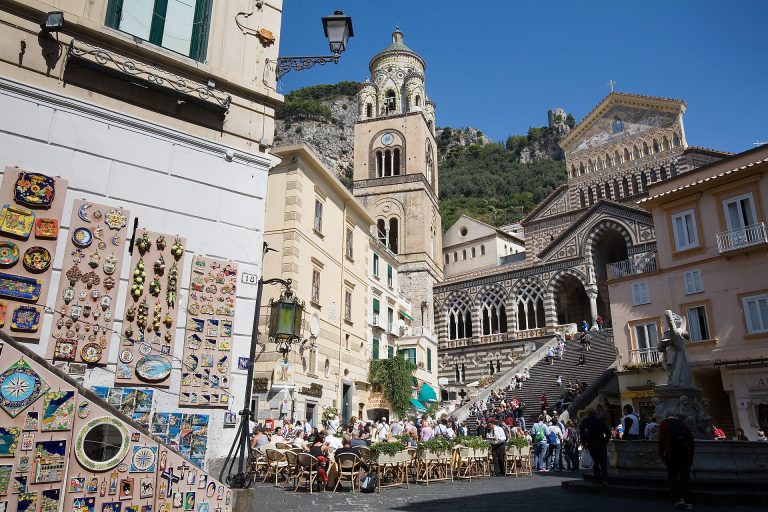
Fabriano brought European paper its stamping hammer, gelatine sizing and first dated watermark in 1282, later supplying banknote and artists’ paper; Amalfi’s own rag-paper mills survive in a converted fourteenth-century mill and at least one working workshop.